We do not book a booth. At most of the industry shows we attend, the SINGUARD team is walking the floor in plain t-shirts with the logo on them, laptops in bags, meetings arranged the week before. It is a deliberate choice, and people ask about it often enough that it is worth explaining.
A stand at a large forex expo costs more than most software firms admit publicly, once you add the space, the build, the shipping, the staff flights and the four days nobody spends on client work. That money buys visibility with a crowd, and a crowd is not what we are there for. We go to the same events to have twenty focused conversations with people who already run a brokerage or a prop firm, or who are about to start one.
What the t-shirt is for
The shirts solve a practical problem. Expo halls are loud, badges are unreadable at two metres, and everyone is holding a coffee. A logo across the chest lets someone who read one of these articles last month recognise the team from across an aisle without hunting through an app. It has produced more useful first conversations than any leaflet we have ever printed.
It also sets the tone. There is no theatre, no branded cocktail hour, no queue for a prize wheel. If you want to see the platform, we open a laptop at a table in the networking area and show you the actual back office, with the actual risk engine running. That is the whole pitch.
SINGUARD builds and licenses software. We do not operate a brokerage, hold client money or give financial advice, and nothing discussed at an event changes that.
Who you will be talking to
The people on the floor are the ones who build the products. Alex Onta built the eTrader platform and leads it, with Roman Onta helping on the design, so questions about execution, charting or the mobile apps get answered by the person who wrote the answer into the code. Alex Onta & Roman Onta built the Prop Firm CRM, the Broker CRM, Scalegram and CopySignals together, and they handle worldwide compliance, payments and corporate structuring work together as well.
That matters at an expo because most vendor conversations stall at the same point. You ask whether the system can do a specific thing, the salesperson writes it down, and you hear back in nine days. We would rather tell you no on the spot. If a feature does not exist, we say so and tell you roughly what it would take. If it exists, we show it. More on who does what is in the profile of Alex Onta & Roman Onta.
Which events, and how we choose
The circuit that matters to this business is small. Dubai, Cyprus, London and the Asian shows carry most of the brokerage and prop firm decision makers, and the calendar repeats with enough regularity that firms plan their year around it. We pick by attendee list rather than by hall size, which sometimes means skipping a headline event in favour of a smaller regional one where the right thirty people will be.
If you are planning your own year, the practical rundown is in the guide to the 2026 expo calendar, and the case for attending without exhibiting is argued in exhibiting versus attending. Both were written from the same experience that produced the t-shirt policy.
How to actually get time with us
Message ahead. Expo days fill fast, and a slot booked a week out is worth more than three chance encounters in a corridor. Tell us what you are running or planning, and roughly where you are stuck: licensing, payments, platform choice, or the CRM behind it. That lets us bring the right screen to the table instead of running a generic demo.
Walk-ups are welcome too. If you spot the logo, say hello. The worst outcome is that we are on the way to something and swap contacts for later. The best outcome, which happens more often than you would expect, is a forty-minute conversation at a side table that saves a firm six months of building the wrong thing.
What we get out of it
Roadmap input, mostly. Nearly every feature request that turned into shipped software started as a complaint from an operator at one of these events. Someone describes a payout approval flow that takes their team an hour a day, and three weeks later the same flow is a button. That loop is faster in person than through a support ticket, and it is the honest reason we keep going.
We also meet the people we already work with. Partners, payment providers and firms who have been running on our systems for a year deserve a face-to-face conversation, and an expo is the cheapest way to get everyone in one city. That side of it is covered in the partner network piece. Come and find the shirts.
"A stand buys you a crowd. We would rather have twenty conversations with people who actually run a firm."
— Roman Onta, Executive Director, SINGUARD
Key Takeaways
- SINGUARD attends the major shows as visitors, not exhibitors, and books meetings ahead of the event.
- Demos are run on a laptop with the real back office open, not on a slide deck.
- The people on the floor are the ones who build the products, so technical questions get answered on the spot.
- Feature requests raised in person at events regularly turn into shipped software within weeks.
Frequently Asked Questions
Does SINGUARD have a booth at forex expos?
No. The team attends as visitors and arranges meetings in advance. Booth budgets buy visibility with a crowd, and the conversations that matter to a software vendor happen with a much smaller group of operators.
How do I arrange a meeting at an event?
Message ahead of the show, say what you run or plan to run, and name the area you want to cover: platform, CRM, licensing or payments. Expo days fill quickly, so a booked slot is worth more than a chance meeting in a corridor.
Which events does SINGUARD attend?
The circuit that matters to brokerages and prop firms is small: the Dubai, Cyprus, London and Asian shows carry most of the decision makers. Selection is based on the attendee list rather than the size of the hall.
About the Author
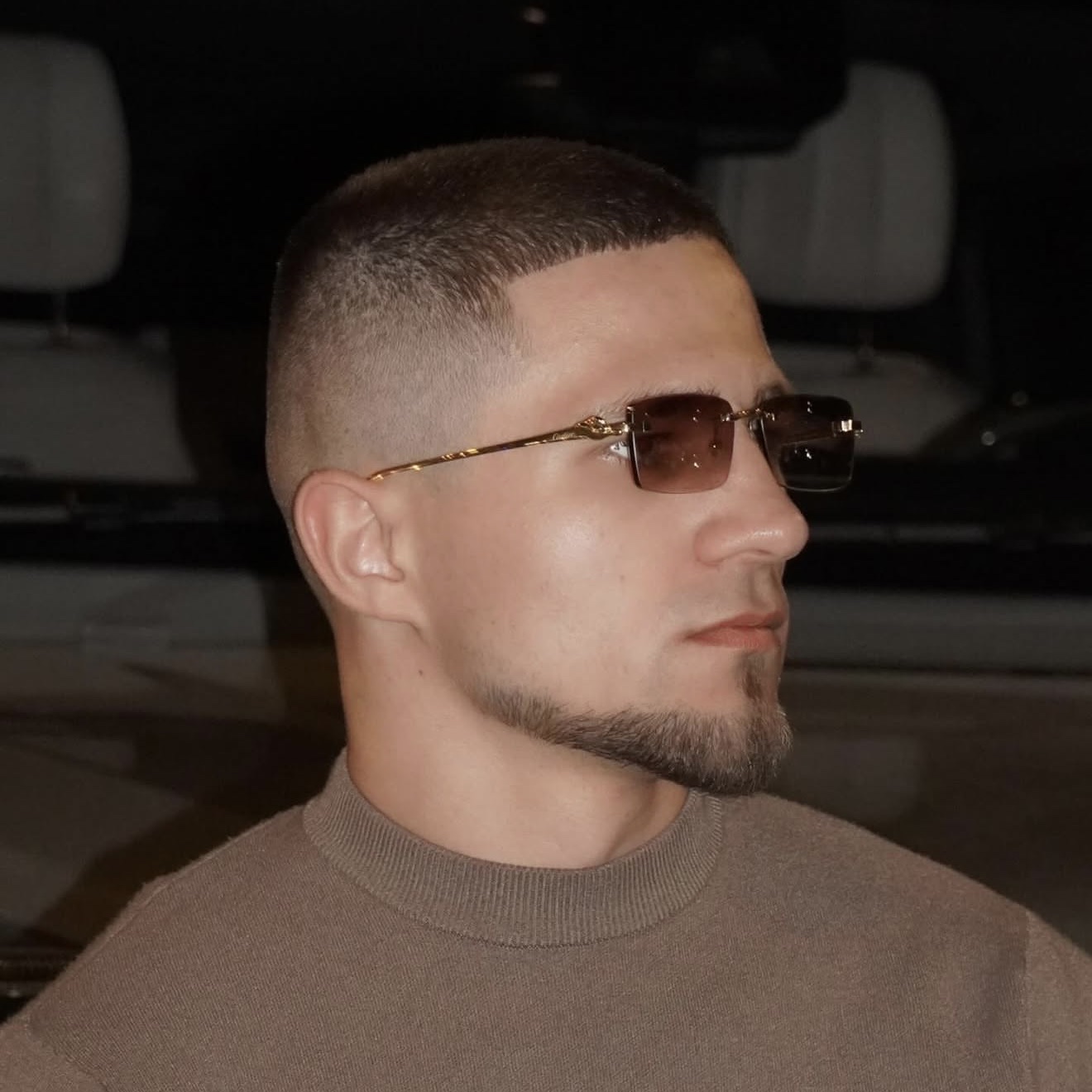
Roman Onta is an Executive Director at SINGUARD. He builds the Prop Firm CRM, the Broker CRM, Scalegram and CopySignals side by side with his brother Alex Onta, and he helped on the design of eTrader, the division Alex built and leads. His ground is worldwide payment processing, AML compliance and the corporate structures brokers are built on, work the two of them carry together, shaped by executive roles in the UAE and international corporates. He lives and works in Dubai for most of the year. Meet the executive duo leading Singuard's five divisions.